Oil Spikes Past $90 as Iran War Reignites — Energy Stocks Soar While Airlines Get Torched
A tanker attack in the Strait of Hormuz sent crude surging Tuesday, splitting Wall Street in two: Chevron and Exxon are riding a 2026 rally to fresh highs while Delta, United and Southwest bleed out on jet-fuel costs.
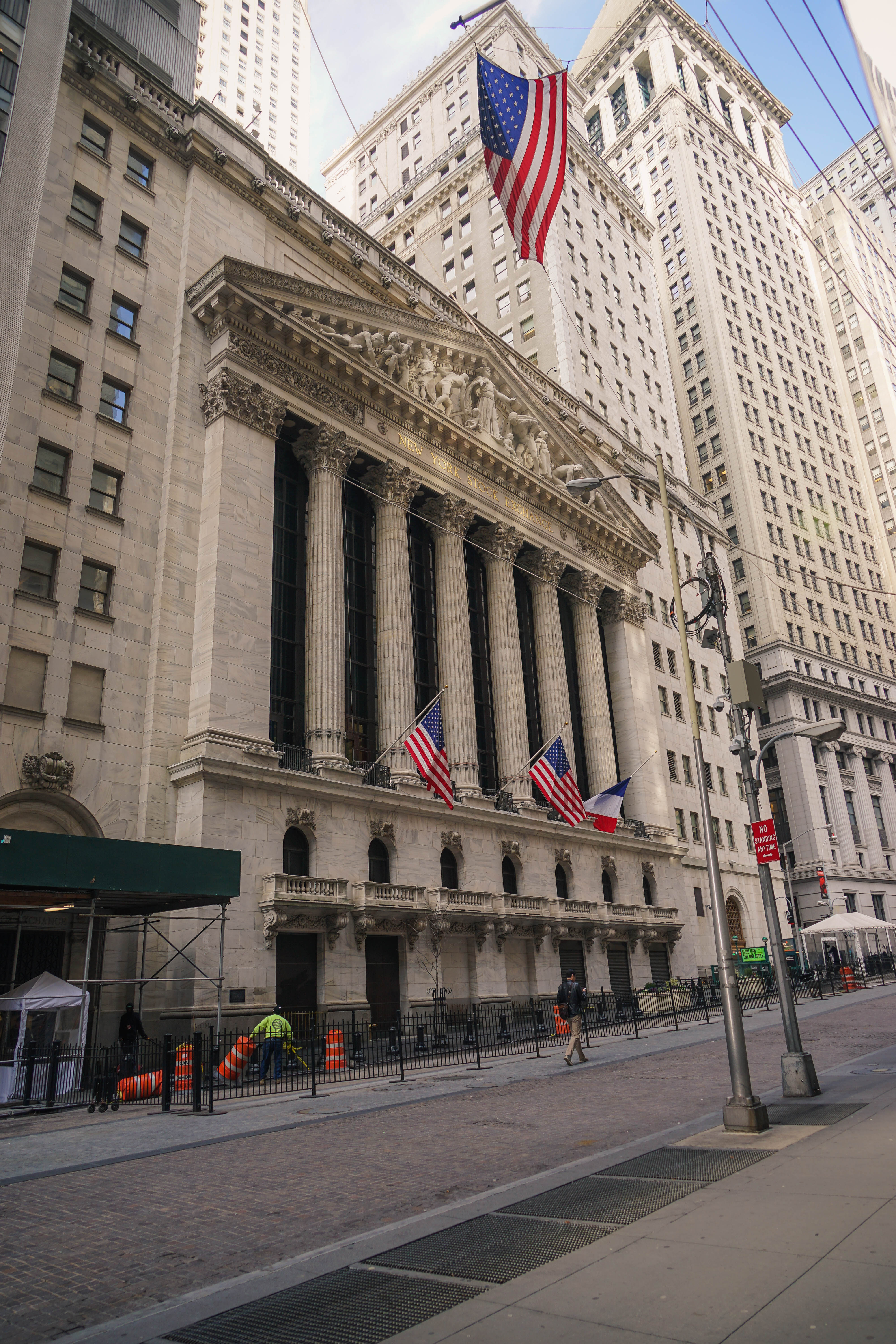
Wall Street woke up Tuesday to the same nightmare that's haunted it all summer: Iran, oil, and a market that can't decide whether to panic or profit. Two oil tankers — one Saudi-owned, one South Korean-owned — were struck by projectiles in the Strait of Hormuz late Monday, reigniting a U.S.-Iran conflict that has now dragged on for six months with no end in sight.
The result: crude oil jumped roughly 3% overnight, with Brent crude pushing above $90 a barrel and WTI trading in the high $80s — territory oil hasn't seen consistently since the conflict first erupted earlier this year. Major indexes slipped on the news, with the Dow, S&P 500 and Nasdaq all closing lower as investors weighed renewed geopolitical risk against already-elevated Treasury yields.
Two Very Different Wall Streets
But under the hood, this isn't a story about a market moving in one direction — it's a story about winners and losers. Chevron and Exxon Mobil each jumped roughly 3% in Monday trading, pushing their year-to-date gains to 36% and 33% respectively — blockbuster returns for companies that were supposed to be yesterday's trade. The Energy Select Sector SPDR ETF (XLE) climbed alongside them as investors piled back into the one corner of the market actually benefiting from a war that's rattling everyone else.
Airlines are the ones paying for it. Southwest Airlines has dropped 14% over the past month after ditching its fuel-hedging program, leaving it fully exposed to crude swings that hedged rivals can better absorb. Delta and United are each down roughly 11% and American Airlines 12% over the same stretch, dragging the U.S. Global Jets ETF down about 9% as jet fuel — an airline's single biggest variable cost — keeps getting more expensive.
"Markets are starting September cautiously, with investors balancing renewed geopolitical uncertainty, elevated bond yields and the latest US economic data," said Daniela Hathorn, senior market analyst at Capital.com.
Hathorn noted that the fresh hostilities are rebuilding an oil risk premium that had briefly eased, just as persistently high Treasury yields squeeze richly valued stocks from the other direction — a double bind for a market that had otherwise been riding a strong summer rally.
It's a familiar split for anyone who has watched 2026 unfold: every flare-up in the Gulf hands energy producers a windfall while quietly shredding margins for anyone who burns fuel for a living — airlines, truckers, shippers. Six months into the standoff, that trade has become one of the most reliable on the Street, even as the broader index churns sideways on the headline risk.
What happens next depends entirely on whether Monday's tanker strikes stay contained or mark another escalation. Traders will be watching shipping data out of Hormuz — still described as constrained but not shut down — along with any signal from Washington or Tehran on where this six-month war goes from here. For now, the message from markets is blunt: bet on the barrel, not the plane ticket.