48 Hours Out: The Poll-Closing Times, Battlegrounds and Doomsday Scenarios That Could Decide Congress
Early voting has already topped 18 million ballots, and a quirk of Georgia law could leave control of the Senate unresolved until January. Here's what actually matters once the polls start closing Tuesday night.
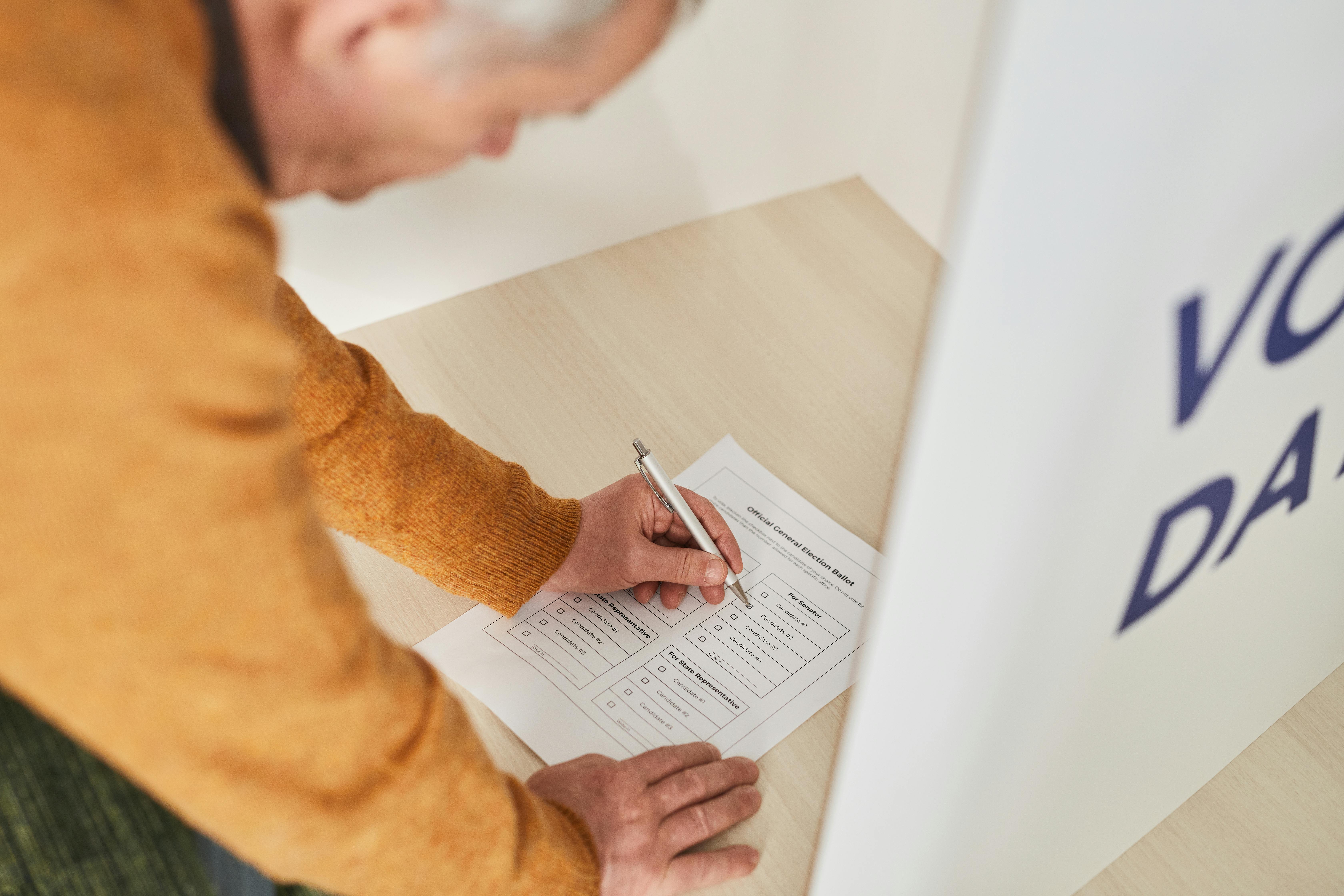
Americans have two days left to decide who controls Congress, and both parties are bracing for a count that could stretch well past Tuesday night. With all 435 House seats, 35 Senate seats and governorships in 36 states on the ballot, the first results won't trickle in until polls start closing at 6 p.m. ET — and the last won't close until 1 a.m. ET in Alaska.
More than 18 million Americans had already cast early ballots as of late October, according to tracking cited by the University of Florida's Election Lab, and polling that has Democrats competitive even in red states like Kansas and Texas has both parties treating almost nothing as safe.
The hours that matter
The first wave of closings, in parts of Indiana and Kentucky, land at 6 p.m. ET and won't tell anyone much. The real test comes at 8 p.m., when Maine — where Sen. Susan Collins faces Troy Jackson — along with most of Michigan and Texas, closes its polls. According to a closing-time guide from the Cook Political Report, that same 8-to-10 p.m. window includes four of the cycle's clearest Senate toss-ups: New Hampshire, Wisconsin, Georgia and Ohio.
Two races will be called the instant their polls shut: Vermont's Bernie Sanders and Rhode Island's Sheldon Whitehouse, both considered safe. The West Coast — California, Washington, Oregon and Nevada — doesn't close until 11 p.m. ET, and California's rules complicate even that: mail ballots postmarked by Election Day count if they arrive up to seven days later, meaning the state's results can keep shifting for the better part of a week.
SIMPLY LOOKING AT POLL-CLOSING TIMES IS DECEIVING.
That warning, from the Cook Political Report's own election-night guide, points to the cycle's single biggest wildcard: Georgia. State law requires a Senate candidate to clear 50% of the vote outright, and if Democrat Jon Ossoff falls short of that majority against his Republican opponent, the race heads to a runoff — meaning control of the Senate itself might not be settled until a second vote in January 2027.
National polling has shifted toward Democrats in the campaign's final stretch. A Reuters/Ipsos survey fielded Oct. 26 had Democrats leading the generic congressional ballot 53% to 44% among likely voters, part of a trend tracked across major polling averages showing Republicans on the defensive in districts the party hasn't had to defend in years. A separate live-blog from the Washington Examiner cautioned that the polling industry itself has been under fresh scrutiny this cycle, after a previously unknown firm was accused of fabricating results in several key races just weeks before Election Day — a reminder that Tuesday's actual votes, not the polling that preceded them, will be what counts.
With 35 Senate seats, all of the House and more than three dozen governor's mansions in play, both parties are treating the next 48 hours as the broadest test yet of where the country stands roughly two years into the current administration. Election-night forecasters caution that with so many races within a few points, the full picture — especially in the Senate — may not be clear until well into Wednesday.