Supreme Court Lets New Hampshire Ban Student IDs at the Polls, 12 Days Before Midterms
An unsigned order sided with Republicans and the state, fully barring student identification as a backup for voting next month. Justice Ketanji Brown Jackson was the lone dissenter.
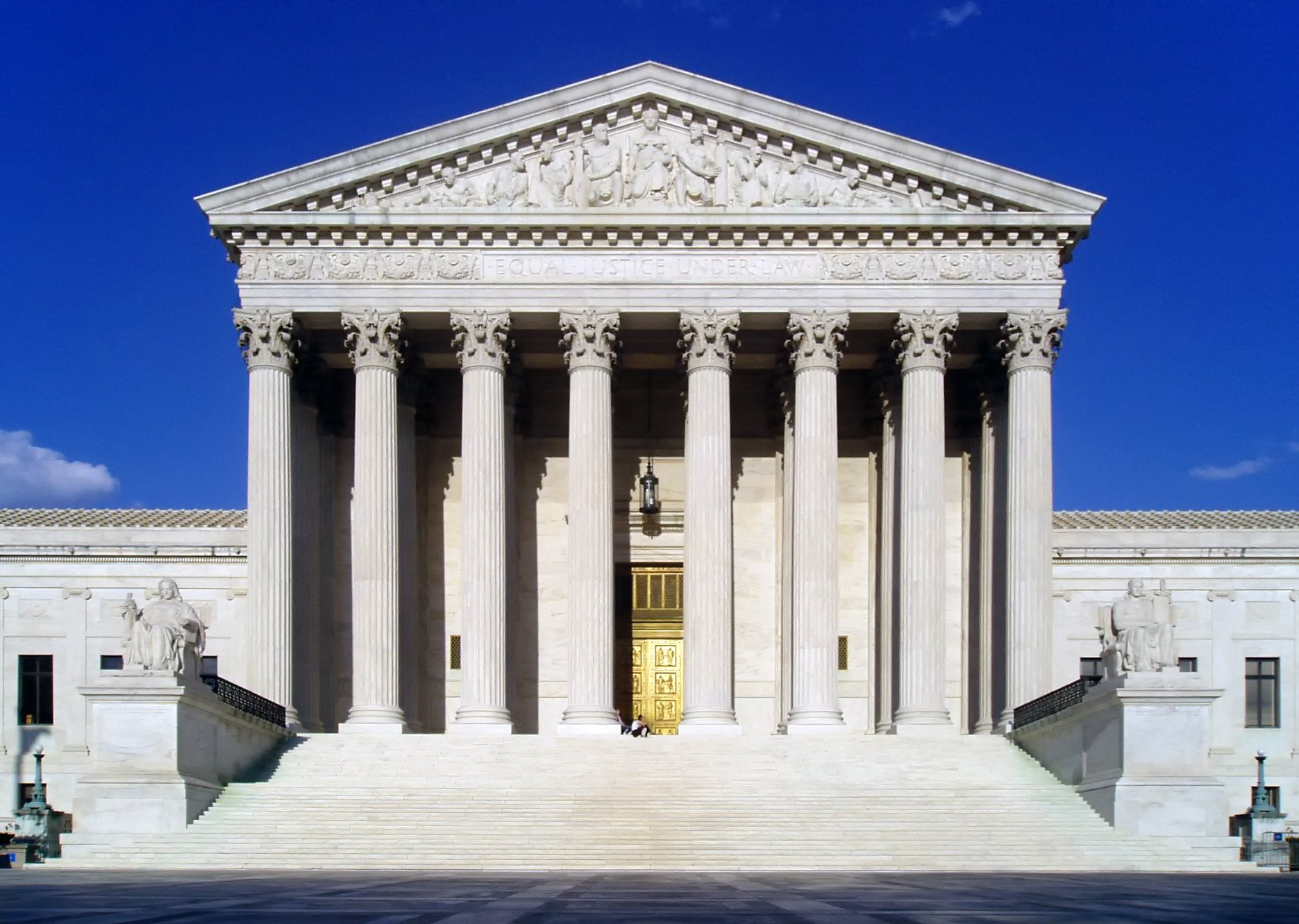
The Supreme Court on Thursday let New Hampshire fully bar college students from using their school-issued identification to vote in next month's midterm elections, siding with Republican state officials in a fight that landed on the justices' doorstep less than two weeks before Election Day.
The unsigned order granted an emergency request from New Hampshire, which the Republican National Committee had backed with its own amicus brief, and lifted a lower court's block on guidance from the secretary of state's office. Justice Ketanji Brown Jackson was the only member of the court to publicly dissent.
At issue was an April state law that removed student IDs from the list of documents New Hampshire accepts as proof of identity at the polls. A separate directive from the secretary of state's office went further, instructing poll workers not to consider a student ID as even one piece of supporting evidence under the state's "safety valve" process for voters who show up without an approved form of identification.
U.S. District Judge Joseph Laplante left the underlying law in place but ruled on Oct. 2 that the secretary of state had gone too far with that second directive, siding with the advocacy group Coalition for Open Democracy. The 1st U.S. Circuit Court of Appeals in Boston declined to pause his ruling, prompting the state to ask the Supreme Court to step in before Nov. 3.
What the order does
The practical effect, according to NBC News and other outlets that reviewed the order, is that student IDs can no longer be weighed at all — not even as a backup factor alongside other evidence — when a New Hampshire voter lacks a government-issued ID. The justices leaned on the so-called Purcell principle, which discourages federal courts from changing election rules in the weeks immediately before a vote.
NOT A FINAL RULING — THE UNDERLYING LAWSUIT CONTINUES, AND THE QUESTION COULD RETURN TO THE SUPREME COURT AFTER THE MIDTERMS
New Hampshire's Nov. 3 ballot includes a closely watched U.S. Senate race, and voting-rights groups warned the ruling could disenfranchise thousands of students at the state's colleges and universities who lack a driver's license or passport. The Hill reported that the Coalition for Open Democracy, which brought the original suit, called the order a setback but said it would keep fighting the case on the merits.
Republican officials, including New Hampshire's secretary of state, framed the ruling as a straightforward win for election integrity, arguing that student IDs — often issued without the same verification standards as a state driver's license — shouldn't carry the same weight at the polls. The RNC's amicus brief made a similar argument.
What's next
Because the order resolves only an emergency stay request, the broader legal fight over New Hampshire's voter-ID law is still pending in the lower courts, and CNN's reporting noted the issue could come back to the justices on a fuller record after the election. For now, county clerks across New Hampshire are updating poll-worker guidance ahead of early voting, which begins within days.