Lake Powell Just Climbed 20 Feet in a Few Weeks — Here's Why That's a Big Deal
Heavy Four Corners storms have lifted the drought-stricken reservoir off its record low, offering rare relief even as experts warn the West's water crisis is far from over.
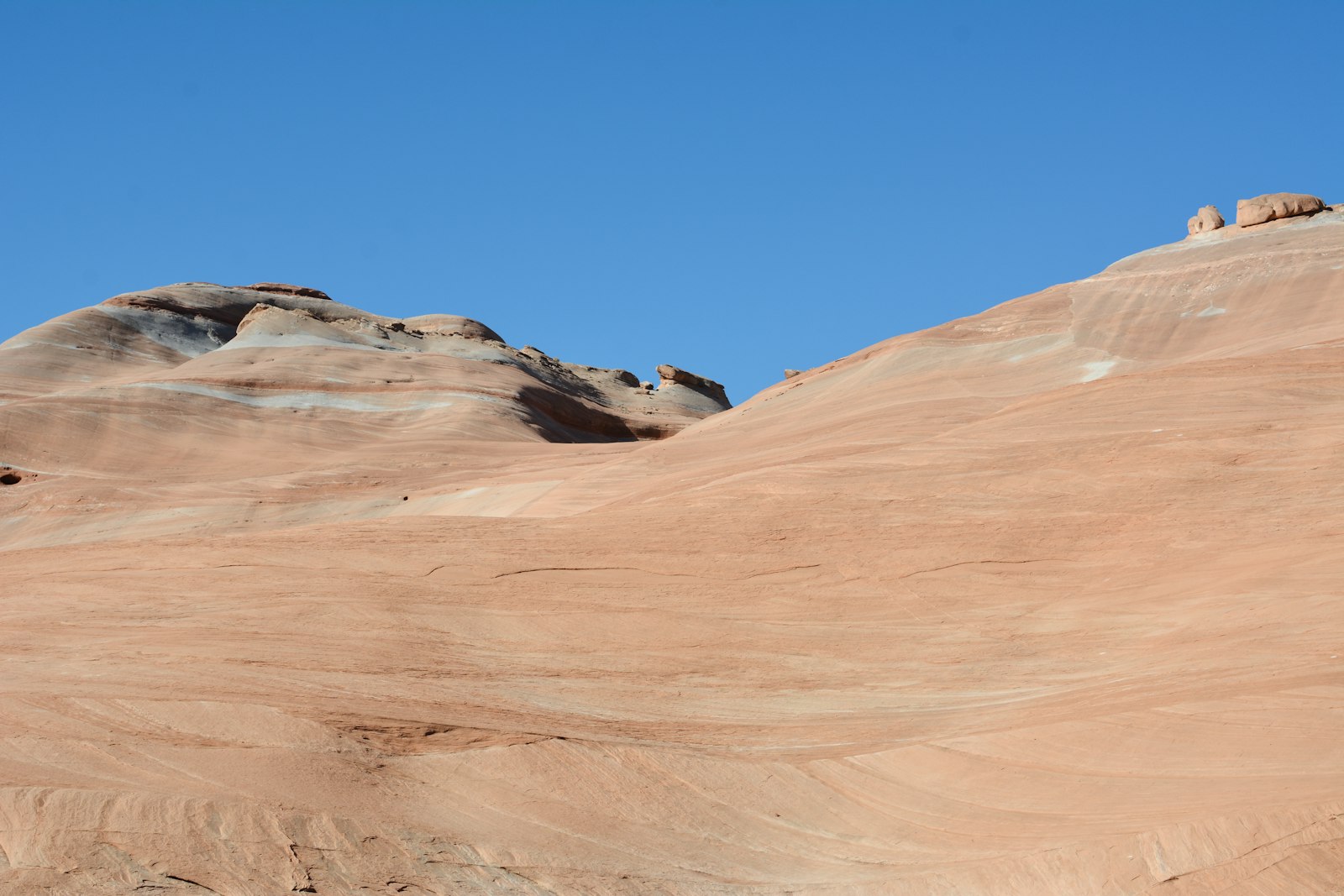
Lake Powell, the drought-battered reservoir straddling Utah and Arizona, has done something it rarely does in the fall: rise, fast. Heavy storms over the Four Corners region in October drove the lake up roughly 19 feet off the record low it hit in mid-September, according to KUTV, which reported the reservoir surged another 17 inches in a single 24-hour stretch at one point.
One water-level tracker put the lake at 3,532.42 feet on Nov. 1 — about 15.8 feet above September's record low. The Salt Lake Tribune estimated the initial surge added roughly 600,000 acre-feet of water to the reservoir, enough to supply hundreds of thousands of households for a year.
Still a long way from healthy
The gains are real, but modest against the scale of the problem. Lake Powell remains only about 23% full, and it's still lower than 94% of Novembers across 64 years of record-keeping, per reporting from KSL. ABC15 reported that despite the rise, the reservoir remains at serious risk of eventually reaching "dead pool" status — the point at which Glen Canyon Dam could lose its ability to generate hydropower or reliably release water downstream.
What makes this rise unusual is timing. Lake Powell and its downstream counterpart, Lake Mead, typically rise in spring, fed by mountain snowmelt, not in late fall. This year's bump instead came from an unusually wet stretch of autumn storms racing through the Colorado River's upper basin.
The Colorado River system supplies water to roughly 40 million people and millions of acres of farmland across seven states and Mexico, and it has spent much of the past two decades in a historic megadrought. Water managers have repeatedly been forced to renegotiate how the river's shrinking supply gets divided between states, farmers and cities.
For now, officials are treating the rise as a welcome but temporary reprieve rather than a turning point. Long-range forecasts still call for below-average snowpack heading into winter across much of the basin, meaning next spring's runoff — the river's real lifeline — remains an open question.