Ebola Death Toll Tops 2,000 in Congo's Fastest-Spreading Outbreak Ever
More than 4,000 people have been infected and over 2,000 have died — half of them in the last three weeks alone — as the rare Bundibugyo strain rips through eastern Congo with no approved vaccine in sight.
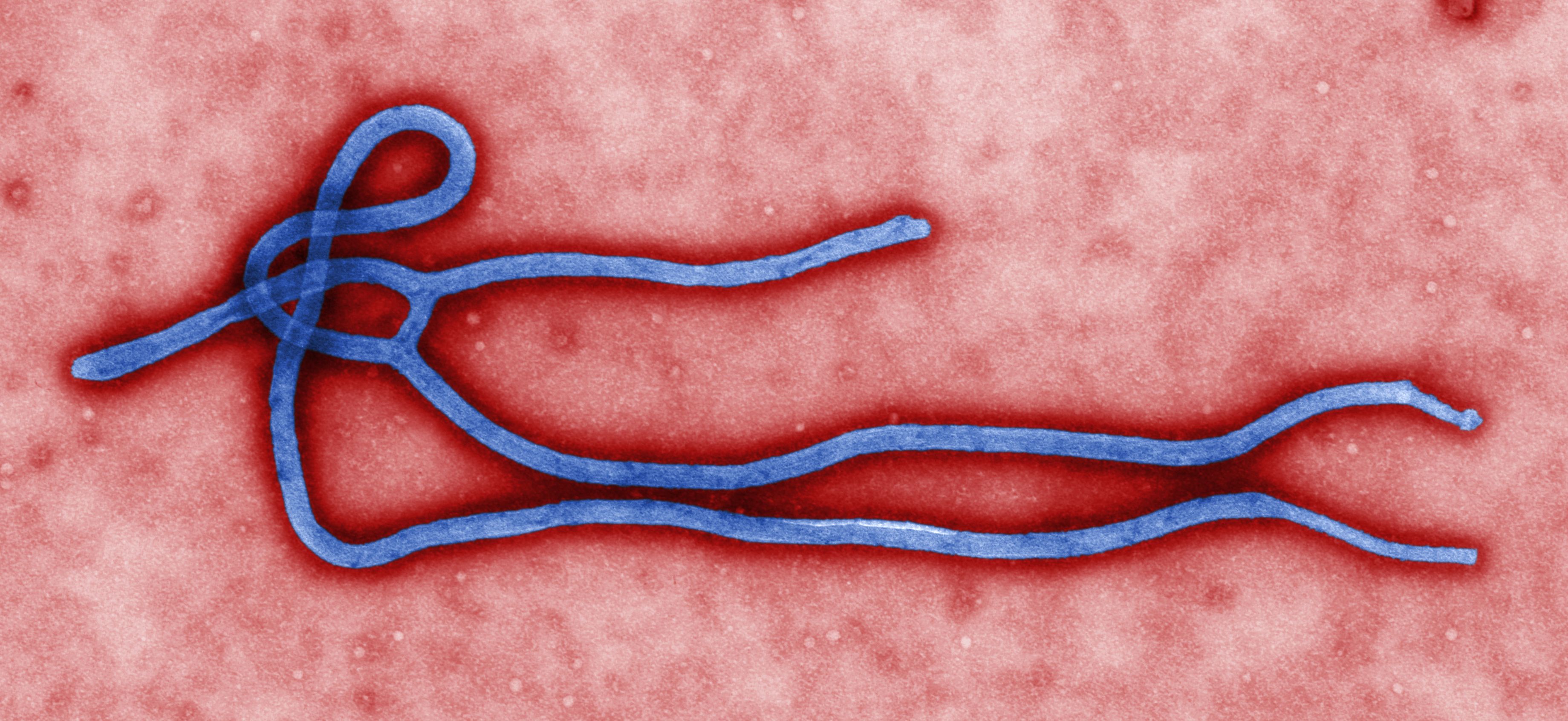
The Ebola death toll in the Democratic Republic of Congo has surpassed 2,000, health officials confirmed this week, making the current outbreak the second-deadliest in the disease's history and, by growth rate, the fastest-spreading ever recorded.
More than 4,000 people have been infected since the outbreak was first declared in mid-May, according to the United Nations, with roughly half of all deaths occurring in just the past three weeks as the virus tears through rural communities in Ituri Province. More than 300 of the dead are children.
The World Health Organization declared the outbreak a Public Health Emergency of International Concern back in May — its highest level of alarm — after tests confirmed the outbreak was caused by the rare Bundibugyo species of the virus, a strain for which no vaccine or treatment has ever been approved.
No Shot, No Cure — Yet
Unlike the Zaire strain that dominated the 2018-2020 epidemic, and for which effective vaccines already exist, Bundibugyo has largely eluded modern medicine. Health officials say 60 to 70 percent of deaths are happening in villages before patients ever reach a treatment center, complicating containment efforts in an area with minimal road access.
HALF OF ALL DEATHS IN THIS OUTBREAK HAVE COME IN JUST THE LAST THREE WEEKS
Vaccine trials targeting the Bundibugyo strain have now been authorized in Canada and the United Kingdom, according to Al Jazeera, though results aren't expected for several months. Experimental treatment trials are already underway in Ituri, the outbreak's epicenter, as doctors search for anything that can blunt the fatality rate while a vaccine remains out of reach.
The crisis has been compounded by displacement tied to the region's long-running armed conflict. One attack on the village of Banana École alone forced more than 28,000 residents to flee, scattering potential Ebola contacts across the region and making contact tracing exponentially harder for response teams already stretched thin. Aid groups have repeatedly flagged that the same insecurity disrupting humanitarian access in eastern Congo for years is now slowing the Ebola response as well.
Only the 2014-2016 West Africa epidemic, which killed more than 11,000 people, has claimed more lives than the current outbreak — and that epidemic took roughly two years to reach its final toll across three countries. The current outbreak has surpassed the death count of the entire 2018-2020 eastern Congo epidemic in a fraction of the time, despite recording fewer total cases, underscoring just how lethal this particular strain has proven.
Global health officials caution the death toll is likely to keep climbing before it slows, and are urging donor nations to fund both the vaccine trials and on-the-ground treatment centers as the outbreak's epicenter remains difficult to reach.
The WHO's emergency designation in May was meant to unlock faster international funding and coordination, and it has drawn pledges of support from several governments and aid organizations racing to get treatment centers and protective equipment into Ituri Province. But logistics remain a persistent obstacle: many of the hardest-hit communities sit hours from the nearest paved road, forcing responders to move supplies and personnel by motorbike or on foot through territory where security conditions can shift by the week.
Congolese health authorities say they are prioritizing rapid isolation of suspected cases and door-to-door contact tracing in the absence of an approved vaccine, the same playbook that eventually contained earlier Ebola outbreaks in the country — though officials acknowledge it is being outpaced by how quickly this particular strain is spreading through the population.