HOME / WORLD / DUBAI, UNITED ARAB EMIRATES
Iran Threatens to Draw a New 'Restricted Zone' Across the Persian Gulf — Cross It and Get Sanctioned
Tehran says it will publish maps of a new no-go zone near the Strait of Hormuz within days, escalating a six-month conflict with Washington that has already dragged oil prices toward $97 a barrel.
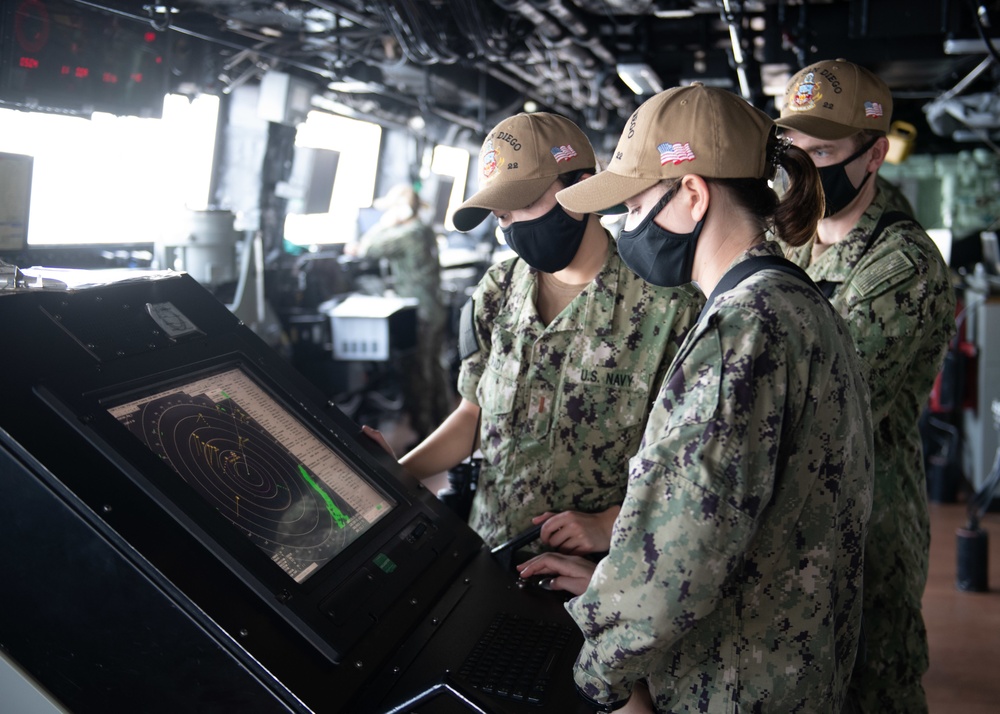
Iran said this week it will soon unveil maps of a sweeping new "restricted zone" across the Persian Gulf, warning that any vessel crossing into the area without permission will be placed on Tehran's sanctions blacklist — the latest escalation in a six-month-old shooting war with the United States that shows no sign of cooling off.
Iranian officials have not yet released exact coordinates for the zone, which they say will begin near the American-enforced blockade lines around the Strait of Hormuz and extend into contested stretches of the Gulf. Tehran has vowed to publish full maps of an alternative shipping corridor "in the coming days," according to Nikkei Asia, though officials have been vague on exactly when the zone takes effect.
A War That Won't Pause
The move comes just days after the U.S. military struck three Iranian oil tankers and hit Islamic Revolutionary Guard Corps targets near Kermanshah, killing several IRGC Aerospace Force personnel, in retaliation for what the Pentagon says was a failed Iranian attempt to plant sea mines in the strait. Iran, in turn, says it fired a missile at U.S. Navy warships in the Gulf this week and has threatened Washington with "economic warfare," according to The New Arab.
The Strait of Hormuz remains one of the world's most important chokepoints, with roughly a fifth of global oil supply passing through its narrow shipping lanes. Traders are already bracing for disruption: Brent crude climbed toward $97 a barrel this week as the standoff intensified, and shipping insurers have quietly raised war-risk premiums for tankers transiting the Gulf.
THE SIX-MONTH WAR HAS BEEN MARKED BY A CYCLE OF PAUSES FOLLOWED BY PERIODIC FLARE-UPS
Analysts say the restricted-zone declaration is partly a pressure tactic — a way for Tehran to reassert leverage over global shipping without directly firing on commercial vessels — but warn that any miscalculation by a merchant crew unfamiliar with the new boundaries could spark a fresh incident. The U.S. Navy's 5th Fleet, headquartered in Bahrain, has not said whether it will recognize the zone or continue escorting commercial traffic through it regardless, per CNBC's reporting on the ongoing CENTCOM operations.
The conflict, which erupted six months ago and has cycled through strikes, pauses and fresh flare-ups ever since, has left both governments locked in an uneasy standoff neither seems willing to fully de-escalate. Gulf allies including Saudi Arabia and the UAE have so far avoided taking sides publicly, instead pressing both Washington and Tehran through back channels to avoid a wider regional war.
What happens next largely hinges on whether Iran actually publishes coordinates for the zone — and whether commercial shippers, insurers and the U.S. Navy treat it as a serious boundary or dismiss it as bluster. Either way, energy markets are watching closely, with several trading desks warning that a formalized zone could complicate insurance and routing for the dozens of tankers that pass through the strait daily.