Israel's Knife-Edge Election Leaves Herzog Facing an Impossible Choice Sunday
No bloc won a majority after last month's vote, and President Isaac Herzog must now decide who gets first crack at forming a government — with Arab-led parties holding the balance of power.
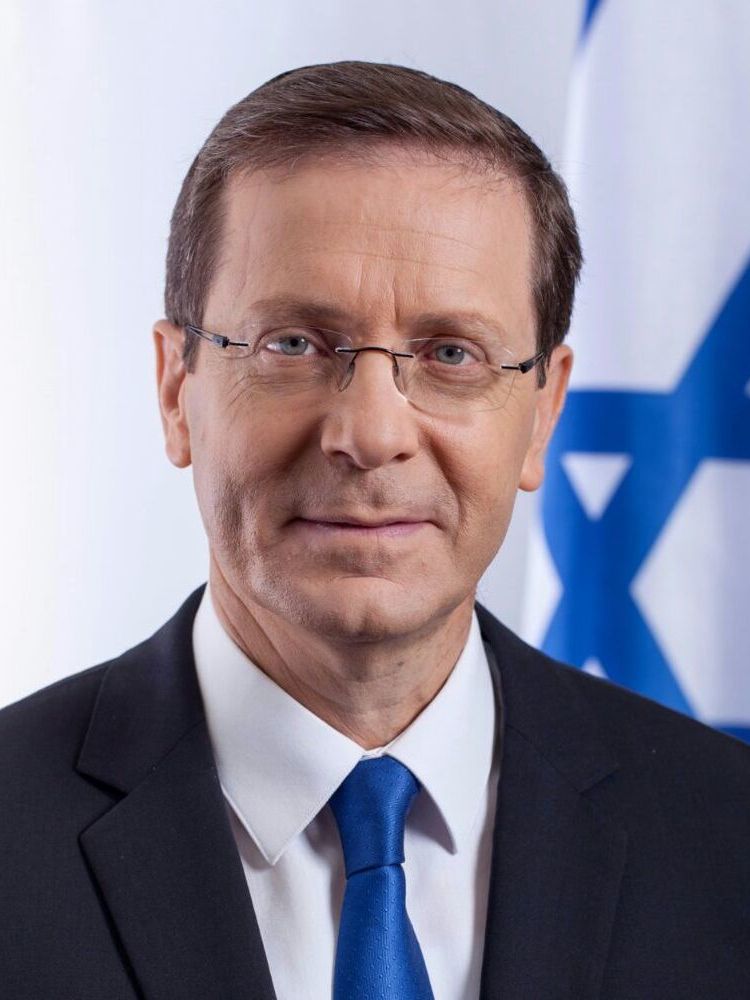
Israel's President Isaac Herzog says he will name a candidate to try to form the country's next government on Sunday, facing a decision with no good options after last month's election left the Knesset deadlocked for the second time in four years.
The October 27 vote gave no bloc the 61 seats needed for a majority. Prime Minister Benjamin Netanyahu's right-wing and religious alliance holds 53 seats; a rival bloc of four parties backing former army chief Gadi Eisenkot holds 48; and Arab-led parties won a record 19 seats, according to Al Jazeera's reporting on the standoff.
The math doesn't add up — for anyone
After a round of consultations with party leaders, 67 of the Knesset's 120 members formally recommended Eisenkot to Herzog as the next prime minister, while only 46 backed Netanyahu — who fell seven seats short of even his own bloc's total after the ultra-Orthodox United Torah Judaism party withheld its support over military-service exemptions. Shas, the other major ultra-Orthodox party, endorsed Netanyahu on Wednesday, while United Torah Judaism has signaled its support is available "at the right price."
Eisenkot's 67-seat recommendation count looks commanding on paper, but he can't actually reach the governing threshold of 61 without support from Arab-led parties, who back him from outside government but have refused to formally join his coalition. The United Arab List, led by Mansour Abbas, has signaled it's willing to join — but Eisenkot has so far refused to bring Arab-led parties into government unless they meet conditions he's set, including formally labeling Hamas a "terrorist organization." Abbas has backed disarming Hamas but won't use that specific label.
NOT AN ETHNOCRACY, AN ABSOLUTE DEMOCRACY FOR ALL CITIZENS
Ahmad Tibi of the Joint List, an alliance of Arab-led parties, argued that refusing a partnership with Arab lawmakers would brand Israel "an ethnocracy, not an absolute democracy for all citizens" — a line that captures just how fraught the coalition math has become. Likud, for its part, has warned that any cooperation with Arab-led parties would be "dangerous to Israel."
What happens Sunday — and after
Under Israeli law, Herzog doesn't have to hand the first attempt to whoever won the most recommendations; he's weighing the decision as one aimed at avoiding yet another trip to the polls. Whoever he names gets 28 days to build a coalition, extendable by 14 more. If that nominee fails, a second candidate gets the same window. If that also collapses, a parliamentary majority could back a third candidate for one final 14-day push. Fail that, and the Knesset dissolves for a new election within 90 days, with Netanyahu staying on as caretaker prime minister in the meantime.
One Middle East analyst told Al Jazeera that a drawn-out impasse is actually the likeliest outcome — and the one Netanyahu may prefer, on the theory that a repeat election would further splinter his rivals and depress turnout among Arab citizens. For now, Israelis are left watching a 120-seat body that, for the second time since 2022, can't produce a working majority.