Longest Climate Summit in History Collapses as Nations Split Over Fossil Fuels
COP31 talks in Antalya ran past their own deadline and still ended without a deal, as oil producers and vulnerable island nations clashed over any mention of fossil fuels.
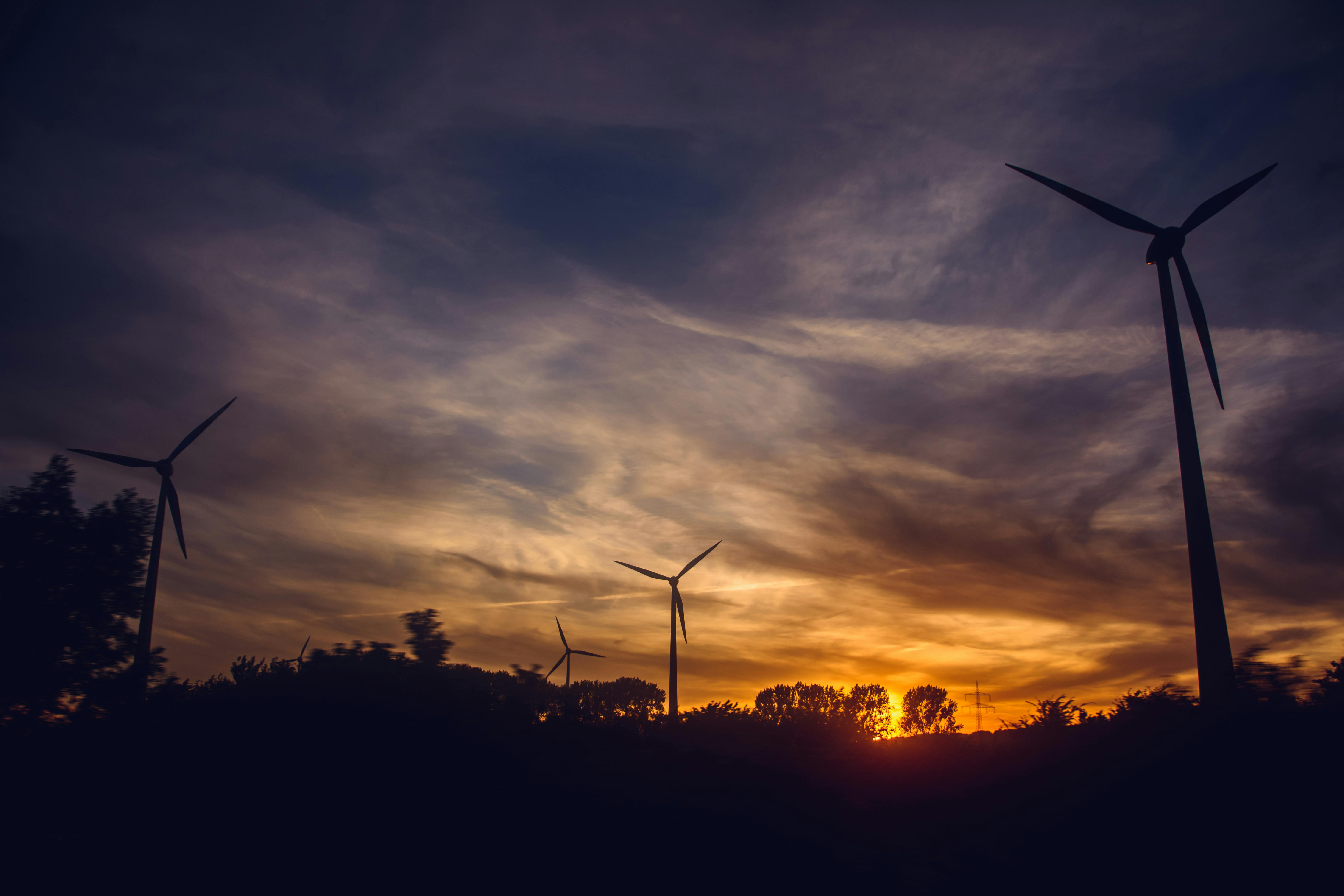
The United Nations' COP31 climate summit collapsed without an agreement late Sunday in Antalya, Türkiye, capping the longest-running climate conference on record after more than two weeks of talks and a two-day extension failed to produce a consensus text.
Negotiators from nearly 200 countries walked away from a chaotic closing plenary after at least 32 nations rejected the final draft of the summit's "Antalya Pact" cover decision, according to Carbon Brief's tally of the proceedings. The sticking point, negotiators said, was the same one that has dogged climate talks for years: whether the world's governments would commit, on paper, to moving away from oil, gas and coal.
The European Union's chief negotiator, Ireland's Darragh O'Brien, said the bloc would not sign off on a deal "that does not even mention fossil fuels," according to NPR's coverage of the talks collapsing.
What Was Lost
Among the casualties was a proposed $120 billion adaptation-finance target meant to help poorer, climate-vulnerable nations cope with rising seas and extreme weather, which was dropped from the final package, according to UN News. Negotiators did salvage a handful of side agreements, including pledges from more than 90 countries to accelerate electrification of their economies and a commitment to triple global geothermal energy capacity by 2050.
"THE SCIENCE SPEAKS FOR ITSELF, AND THERE IS NO AMBIGUITY IN IT," UN SECRETARY-GENERAL ANTÓNIO GUTERRES SAID.
Guterres said he was "deeply disappointed" by the outcome but insisted the collapse did not change the underlying reality of a warming planet. The summit marked the second consecutive year the Trump administration declined to send an official U.S. delegation, following the country's formal withdrawal from the Paris Agreement earlier in 2026.
COP31 president Murat Kurum, Türkiye's environment minister, framed the smaller side deals as evidence the process wasn't a total wash, while COP31 negotiations president Chris Bowen of Australia pointed to the electrification pledge as a bright spot.
What happens next is unclear. With no overarching agreement in place, countries head into 2027 without a unified framework on fossil fuel phase-out, leaving individual governments and blocs — including the EU — to decide whether to press ahead with their own climate commitments unilaterally.