Treasury Chief Vows 'Toughest Sanctions in History' as Trump Wages All-Out Economic War on Iran
Scott Bessent says Washington will unleash 'the greatest coordinated economic isolation in the history of the world' on Tehran, with full details due Monday — and a blunt warning to any nation still buying Iranian oil.
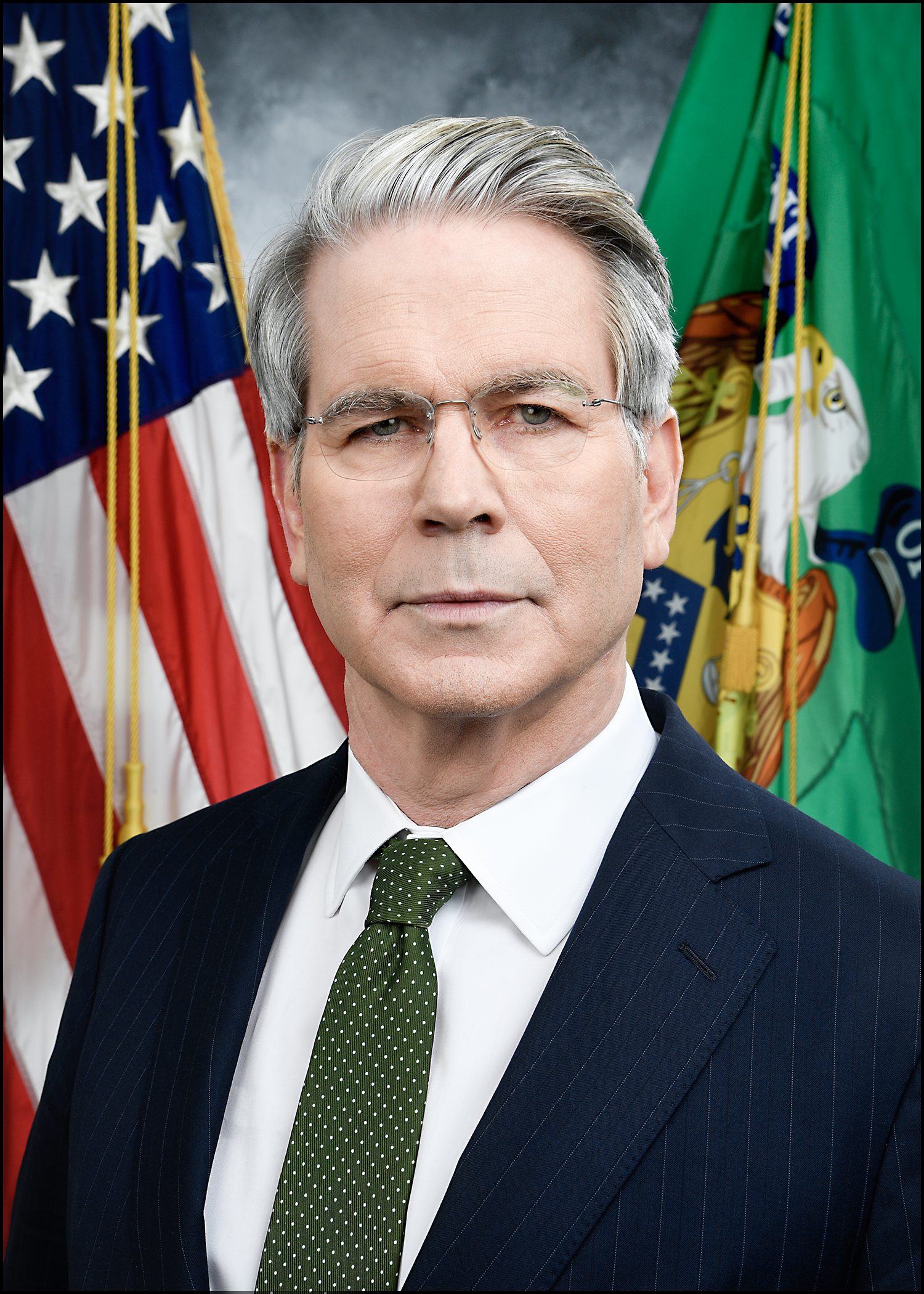
Treasury Secretary Scott Bessent said this week that the United States is preparing to impose "the toughest sanctions in history" on Iran, escalating a campaign President Trump has billed as the "most crushing economic operation ever taken against any country."
The announcement builds on an economic-pressure strategy the administration has been assembling for months. Bessent said the new sanctions regime will run alongside a naval blockade the U.S. imposed on Iranian oil exports in April — a blockade that was briefly paused in mid-June before resuming — and argued the combined squeeze could reduce the need for another round of direct military action against Tehran.
A global ultimatum
Vice President JD Vance, appearing separately, said the standoff with Iran has entered "a new phase" built on economic rather than military pressure, and pledged the administration would "keep that going" until Tehran changes course. Bessent went further, warning any country that continues purchasing Iranian crude or maintaining financial ties to the Islamic Republic that it, too, could be targeted by Washington.
"THIS IS GOING TO BE THE GREATEST COORDINATED ECONOMIC ISOLATION IN THE HISTORY OF THE WORLD."
That framing effectively asks allies and trading partners to choose between commercial ties with Iran and access to U.S. markets. Full details of the sanctions package are expected Monday, Aug. 24, according to Al-Monitor, which first reported the timeline from officials briefed on the plan.
Trump amplified the message on his own platform, writing that the U.S. would launch the "MOST CRUSHING ECONOMIC OPERATION EVER TAKEN AGAINST ANY COUNTRY" against Tehran — rhetoric that has rattled oil markets already on edge since the spring blockade began squeezing Iranian exports.
The economic offensive follows a rocky stretch in U.S.-Iran relations. The Treasury-led blockade launched in April choked off a significant share of Iran's oil exports before a monthlong pause in June that officials described at the time as a goodwill gesture tied to backchannel talks. Those talks appear to have stalled in recent weeks, prompting the current escalation and Bessent's pledge of a historically severe follow-up.
Regional analysts told the Washington Times that shipping traffic through the Strait of Hormuz has stagnated in recent days as insurers and traders brace for the new measures — a sign the threat alone is already reshaping commercial behavior across the Gulf, even before Monday's rollout.
The administration has not said publicly whether the announcement will include secondary sanctions aimed at foreign banks and shipping firms that facilitate Iranian oil sales, a step officials have discussed privately for weeks, according to reporting from The National. Such measures would mark a significant widening of the campaign beyond Iran's own economy and directly onto its remaining trade partners, chiefly in Asia.
Iranian officials have so far played down the threat in public remarks, with state media describing Washington's posture as an attempt to force Tehran back to the negotiating table rather than a genuine strategic shift. Iran has not announced retaliatory measures.
Markets, already jittery this week from a bond-market selloff, are watching for any sign the new measures could disrupt global oil supply once they take effect.
For now, all sides are waiting on Monday. Bessent has promised specifics on which sectors, banks and shipping networks will be targeted, and how aggressively the U.S. plans to enforce penalties against third countries that keep doing business with Tehran.