Trump's Ban on Canadian Whiskey, Dairy and Motorcycles Kicks In at the Border
A sweeping U.S. import ban on Canadian alcohol, dairy and motorcycles took effect at midnight, the latest escalation in a monthslong tariff fight that has already cost both countries billions.
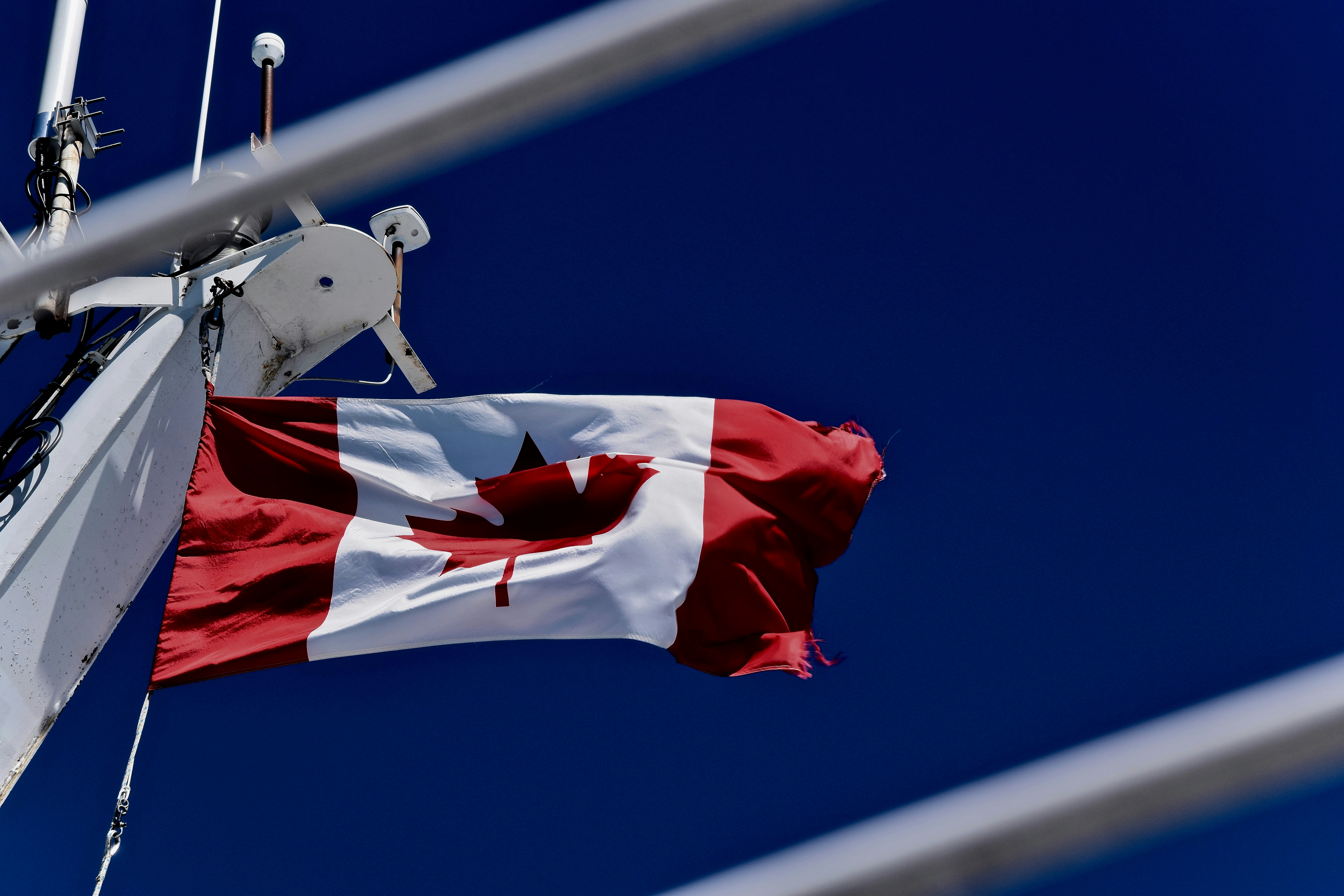
Shipments of Canadian rye whiskey, cheese and motorcycles hit a wall at the U.S. border overnight. A new American import ban on a range of Canadian dairy products, some alcoholic beverages and motorcycles took effect at 12:01 a.m. ET Tuesday, the latest turn in a trade war between the two countries that has been escalating since late August.
The ban, issued under the rarely used Section 338 of the Tariff Act of 1930, covers dairy products including whey and whey protein — common ingredients in protein powders and processed foods — along with motorcycles and a slice of the Canadian alcohol trade: rye whiskies, rum, grape wine and malt beer sold in containers smaller than four liters. U.S. Customs and Border Protection notices describe the covered goods as "unconditionally rejected" at the border, according to Axios, which first reported the order when Trump signed it earlier this month.
A Trade War With Real Numbers
The affected goods add up to roughly $1 billion in annual trade, according to NBC News. The ban arrived on the same day Canada's own retaliatory tariffs on $27.6 billion worth of American goods took effect — tit-for-tat measures both governments have layered on since a tariff dispute broke out in late August. Ottawa, for its part, has already restricted imports of some U.S. products in response to earlier rounds of American tariffs.
ENTITLED TO NOTHING, TRUMP SAYS, AS CANADA CRIES FOUL
President Trump has framed the bans as leverage to force Canada back to the negotiating table on a broader trade deal, telling reporters Canada isn't "entitled" to unrestricted access to the U.S. market, according to Global News. Canadian officials have called the bans an act of economic coercion against a longtime ally and trading partner, and provincial liquor boards in several Canadian provinces have already pulled American alcohol brands from their shelves in response to earlier tariff rounds.
Notably absent from Tuesday's ban: a full blockade on Canadian automobiles. Despite earlier White House rhetoric lumping cars in with the other targeted goods, the measure that took effect Tuesday does not include a blanket vehicle ban. Trump has instead floated a 50% tariff on Canadian-made cars and trucks that could take effect Jan. 1 if the standoff isn't resolved by then — a threat that has automakers with cross-border supply chains watching closely.
For now, importers, distributors and grocery chains on both sides of the border are left absorbing the disruption, with Canadian dairy cooperatives and distillers among the hardest hit. Whether the ban pushes Ottawa back to the table — or simply deepens the standoff — is likely to become clearer in the weeks ahead as both governments weigh their next move.