House GOP Rams Through Funding Bill 217-212, Setting Up a Senate Showdown Over Health Care
Speaker Mike Johnson's stopgap funds the government through November 21 with no health care fixes attached. Democrats call it "an attack" on families as a competing bill fights to save expiring ACA subsidies.
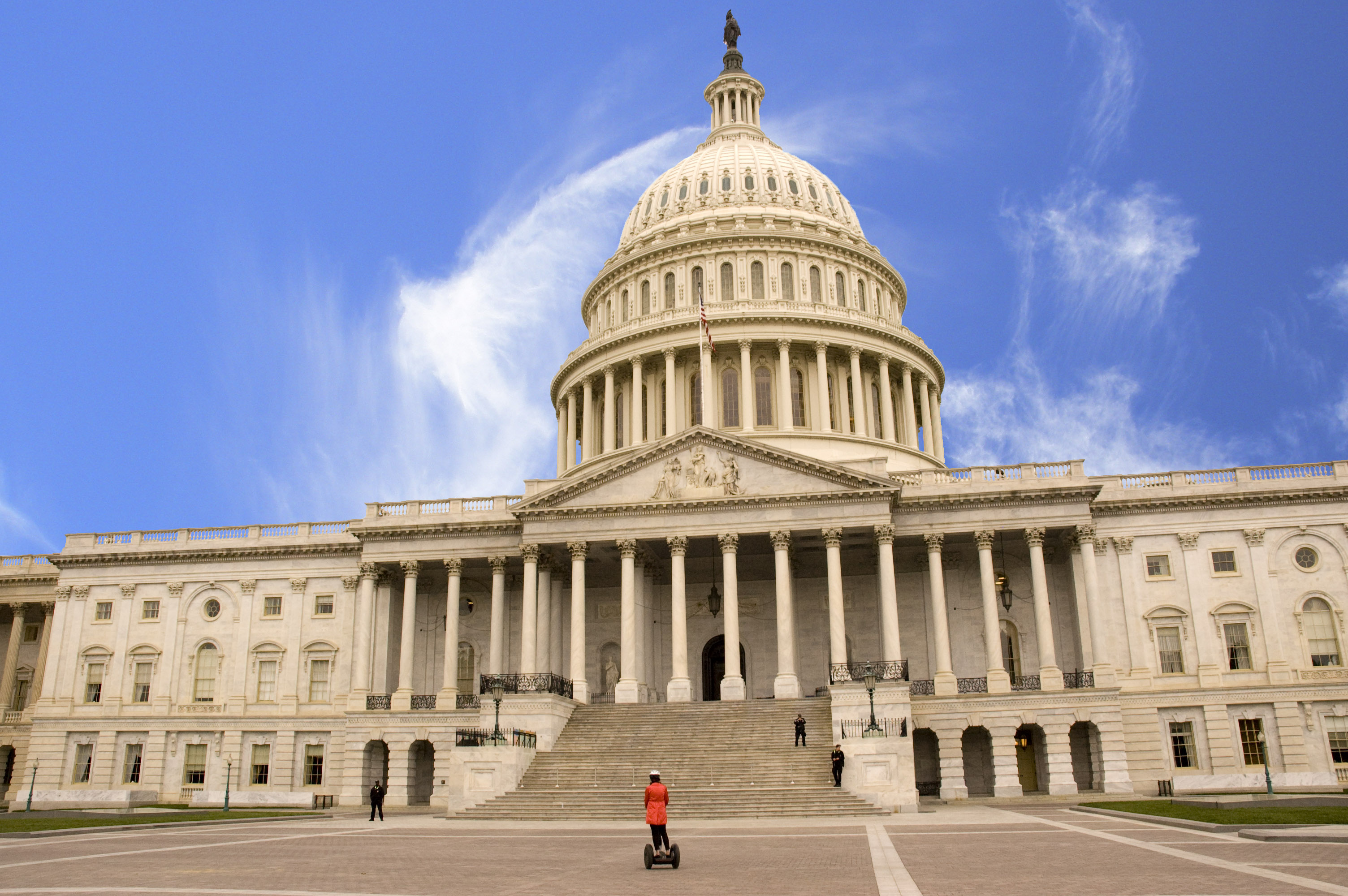
The House voted 217-212 Saturday to pass a Republican stopgap spending bill, teeing up a fight in the Senate over expiring health care subsidies as an October 1 government funding deadline approaches, according to CBS News.
The bill, the Continuing Appropriations and Extensions Act, 2026, would keep federal agencies funded at current levels through November 21. Speaker Mike Johnson said the measure was written to avoid controversy heading into the deadline: "We were very careful. We put no partisan measures in this. There's no poison pills. None of that," he told reporters ahead of the vote.
Democrats say the bill ignores a health care cliff
House Minority Leader Hakeem Jeffries rejected that framing, calling the measure a "partisan, reckless spending bill" that amounts to "an attack" on veterans, families and seniors. Democrats have pushed a competing continuing resolution that would permanently extend enhanced Affordable Care Act premium subsidies set to expire at year's end and roll back Medicaid cuts enacted in Republicans' prior budget package, according to reporting from the Eastern Herald.
WE WILL NOT BE COMPLICIT IN THE REPUBLICAN EFFORT TO HURT THE AMERICAN PEOPLE — JEFFRIES
The vote broke from party lines in both directions: fiscal conservatives Reps. Thomas Massie of Kentucky and Victoria Spartz of Indiana voted against the GOP bill, while moderate Democrat Jared Golden of Maine crossed over to vote for it.
With premiums for millions of ACA marketplace enrollees already set to rise sharply in 2026 if the enhanced subsidies lapse, the health care fight has become the central flashpoint of the funding standoff, following Friday's Senate vote in which neither party's competing proposal secured the 60 votes needed to advance.
The bill now heads to the Senate, where Majority Leader John Thune faces the same math that sank Friday's votes: Republicans hold 53 seats, short of the 60 needed to overcome a filibuster, meaning at least seven Democrats would need to cross over. Both parties have signaled they are prepared to let the standoff run past the October 1 deadline rather than blink first.