Pentagon Can Now Shoot Down Cartel Drones After FAA Seals Off the Entire Southern Border
A sweeping new flight restriction bans unauthorized drones within a nautical mile of the US-Mexico border from the Pacific to the Gulf, after the Pentagon said cartels are flying more than 1,000 incursions a month.
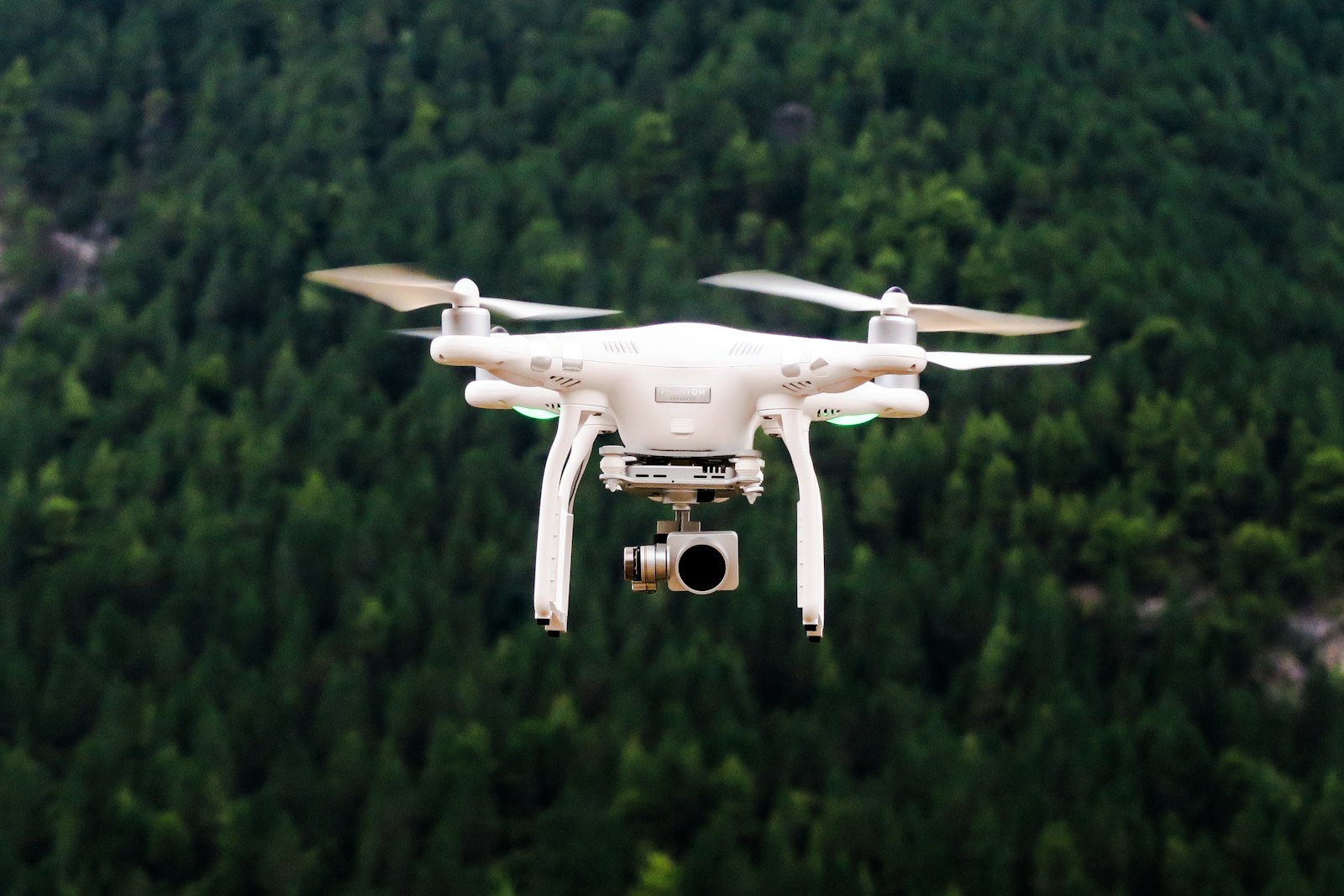
WASHINGTON — The Federal Aviation Administration announced Friday that it is barring all unauthorized drone flights along the entire length of the US-Mexico border, a sweeping security measure that gives the military new authority to shoot down cartel aircraft used to smuggle drugs and spy on law enforcement.
The joint announcement from the Department of Transportation, the Department of War and the Department of Homeland Security covers every unauthorized drone — including small recreational models — up to 400 feet above ground level, in a band stretching one nautical mile north of the border from the Pacific coast south of San Diego to the mouth of the Rio Grande on the Gulf. Anyone wanting to fly inside the restricted zone now has to clear it with Customs and Border Protection at least 48 hours in advance.
Why now
Officials framed the restriction as a direct response to Mexican cartels increasingly using cheap, off-the-shelf drones to drop drug packages over the border and scout Border Patrol movements in real time. The Pentagon says it is now tracking more than 1,000 drone incursions a month along the roughly 2,000-mile border.
"This gives our commanders greater situational awareness and more options to defend the homeland," Defense Secretary Pete Hegseth said, adding that the military "will shoot down any cartel drone that threatens America's sovereignty."
"THIS GIVES OUR COMMANDERS GREATER SITUATIONAL AWARENESS AND MORE OPTIONS TO DEFEND THE HOMELAND."
Homeland Security Secretary Markwayne Mullin said the new zone would "help counter cartel drone threats, protect our personnel, and strengthen security in the airspace above the border."
The order builds on a rockier rollout of counter-drone technology this year. In April, the FAA and the Pentagon signed off on using a high-energy laser system to down drones along the southern border, but in February the FAA briefly grounded all flights at El Paso International Airport for about eight hours after Customs and Border Protection used the laser without a required safety review — a pause lifted only after White House intervention. The military later used the same laser to shoot down a CBP drone by mistake, prompting an expanded no-fly zone around Fort Hancock, Texas, and a promise from DHS of closer coordination between agencies.
What's next
FAA Administrator Bryan Bedford has said the counter-drone system remains limited to the southern border for now, despite reports of drone sightings near military installations elsewhere in the country. For now, anyone — hobbyist, journalist or rancher — flying a drone near the border without CBP sign-off risks having it treated as a potential threat under the new rules.