BURIED IN THE HIMALAYAS: Avalanche Swallows Nepal Base Camp, Four Dead, 12 Still Entombed
A wall of snow and rock tore through a Himalayan base camp before dawn, killing four mountain workers and burying a dozen more as rescuers battle relentless storms to reach them.
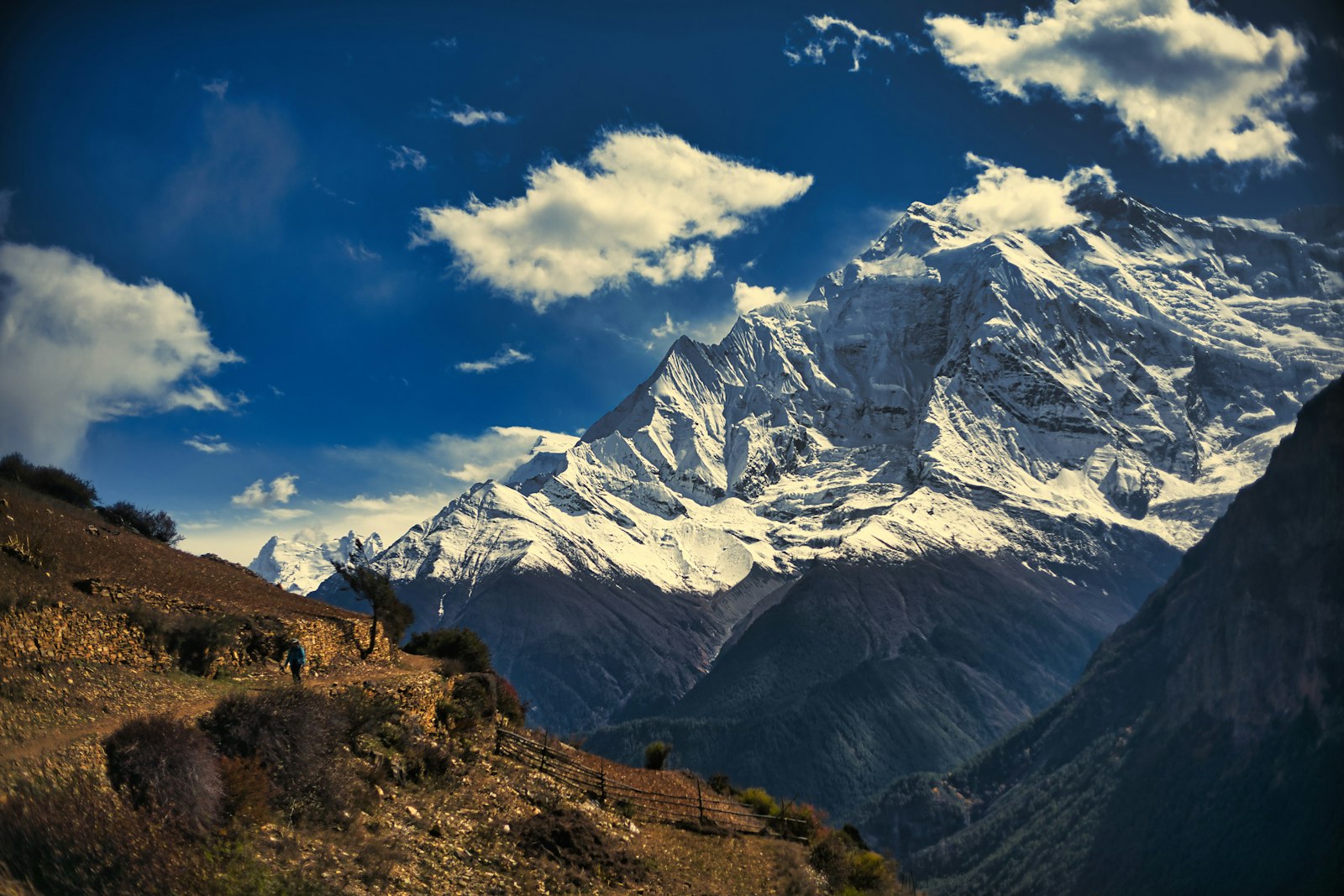
A massive avalanche buried the base camp of Himlung Himal, a 23,380-foot peak on Nepal's border with Tibet, before dawn on Sunday, killing at least four mountain workers and leaving a dozen more missing under tons of snow and debris, officials said.
The slide hit the camp in the remote Nar Phu valley of Manang district as Nepalese guides and kitchen staff were fixing ropes and pitching tents ahead of a foreign expedition group due to arrive October 1, according to Al Jazeera. Days of unseasonal, torrential rain and snowfall had already been battering Nepal's mountain districts when the mountainside gave way.
Everyone caught in the slide was Nepalese staff employed by local outfitters, not foreign climbers. Eight belonged to Himalayan Holidays Nepal and two to Imagine Nepal Treks, with the rest still being identified, per the Expedition Operators Association of Nepal. By Monday, rescuers had recovered and identified four bodies, including guides Pasang Bhote and Chhebi Bhote, while twelve workers remained unaccounted for, Outlook India reported, citing Nepal National Mountain Guides Association president Tul Singh Gurung: "Four bodies have been recovered and identified. Twelve people are still missing, and the search for them is continuing."
Ground That Was Supposed to Be Safe
What has stunned veteran operators is where the avalanche struck. Base camps are typically pitched on flat, low-risk terrain well clear of slide paths — last season the same site sat on bare, dry ground. Barun Bhandari, general manager of Himalayan Holidays Nepal, told CNN his company was still trying to confirm exactly how many of its crew were missing hours after the disaster.
"We are very devastated... This is the first time we have had an avalanche like this in this exact area. The ground is very flat at the base camp so we are quite surprised."
An initial eight-member search team was later reinforced by a larger, roughly 14-member rescue operation, but helicopters were repeatedly grounded and foot teams slowed by continuing rain and fresh snowfall. Recovered bodies were flown to the district hub of Chame before onward transport to Kathmandu's Tribhuvan University Teaching Hospital.
The tragedy lands on a country already reeling: catastrophic flooding and landslides last month killed more than 1,400 people across Nepal and left highways and river systems in ruins. Scientists have repeatedly flagged the Himalayas as a front line for climate-driven disaster, warning that glacier retreat, permafrost thaw and erratic monsoon patterns are making slides like Himlung's more frequent and less predictable — even on ground long assumed safe.
Search crews were pressing on through Monday, racing deteriorating weather with little expectation the missing workers survived days buried at altitude. Nepal's Department of Tourism and the guides' association have not said whether the disaster will trigger a review of pre-season safety protocols for the thousands of local staff who prep routes before paying climbers ever set foot on the mountain.