'ECONOMIC OUTCAST': US Unleashes Global Sanctions Blitz to Starve Iran's War Chest
Treasury Secretary Scott Bessent says Washington has sanctioned nearly 60 entities from Hong Kong to Switzerland in a bid to sever Iran's last financial lifelines, six months after strikes killed the country's supreme leader.
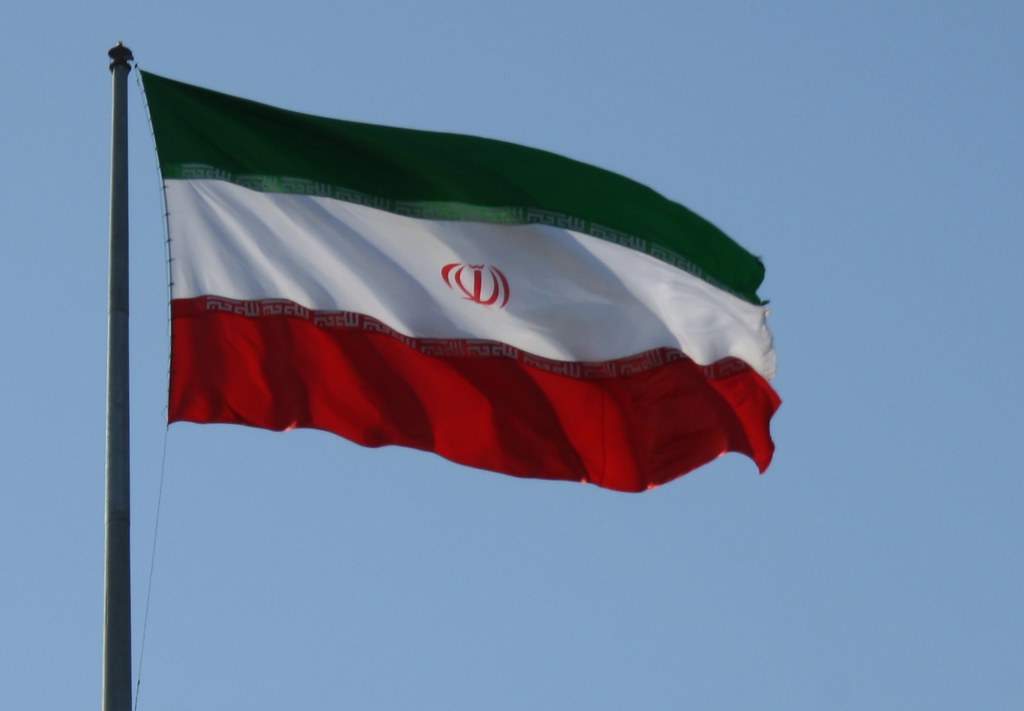
The U.S. Treasury Department opened a new front Monday in Washington's six-month-old confrontation with Iran, launching Operation Economic Outcast — a sweeping, whole-of-government sanctions campaign meant to sever the Islamic Republic's remaining links to the global financial system.
Treasury Secretary Scott Bessent said the department sanctioned nearly 60 individuals, companies and vessels based in the United Arab Emirates, Hong Kong, mainland China, Singapore and Switzerland, accusing them of laundering money and moving goods on Tehran's behalf. The action also widens so-called secondary sanctions across five sectors Bessent branded Iran's "most vital lifelines" — aviation, digital assets, gold, shipping and technology — meaning foreign banks, refiners and shipping firms that keep doing business with Iran in those areas now risk being severed from the U.S. dollar system themselves.
"Around the globe, our objective is to sever every economic lifeline that sustains this tyrannical regime until Tehran stands alone," Bessent said.
A War Already Six Months Old
The sanctions blitz lands amid a conflict that has already reshaped the Middle East. In February, a wave of U.S.-Israeli strikes killed Supreme Leader Ali Khamenei and dozens of senior officials, plunging Iran into political turmoil without toppling the government. An April naval blockade further battered Iran's oil exports, and Iran's grip on the Strait of Hormuz — a chokepoint for roughly a fifth of the world's oil and gas — has kept energy markets on edge ever since. Defense Secretary Pete Hegseth said this week that military strikes on Iran haven't been ruled out even as the sanctions campaign rolls out, underscoring that Washington is applying financial and military pressure in tandem rather than one instead of the other. With the war stalemated and talks stalled, Bessent framed the new campaign as an economic squeeze meant to finish what strikes and blockades have not.
Tehran was quick to push back. Iranian Economy Minister Ali Madanizadeh said the country is "fully prepared for the US sanctions," calling the move "an economic terrorist attack." Parliament Speaker Mohammad Bagher Ghalibaf dismissed the threat outright, arguing "the United States is not in an economic position to further restrict its relations with other countries." President Masoud Pezeshkian took a more conciliatory line, urging Washington to "respect international law and honor its commitments towards Iran" and warning that "reliance on coercion only complicates diplomatic efforts."
Outside analysts are less certain the campaign will bite as hard as Treasury hopes. In an assessment published by the Atlantic Council, regional experts noted that years of sanctions have already pushed much of Iran's trade underground through intermediaries in the very countries now named — China, the UAE and Hong Kong among them — and questioned whether Washington can persuade Beijing or Gulf trading hubs to fully comply. The administration says President Trump has personally telephoned foreign leaders urging them to cut ties with Tehran, warning, through Bessent, that "those who tether themselves to the Iranian regime should expect to share in the isolation."
For now, the practical test will play out in tanker manifests and bank compliance departments rather than battlefields. Treasury officials say more sanctions designations are expected in the coming weeks as investigators trace additional shipping and financial networks, while Iran's government insists the pressure will not force it back to the negotiating table on Washington's terms.