Blast Rocks Iranian Tanker at Hormuz — Hours After Rivals Signed a Deal to Keep It Open
One person was killed and three hurt when a projectile struck an Iranian merchant vessel near Qeshm Island at dawn Sunday — the very morning foreign ministers gathered in Oman to sign a deal meant to keep the Strait of Hormuz open.
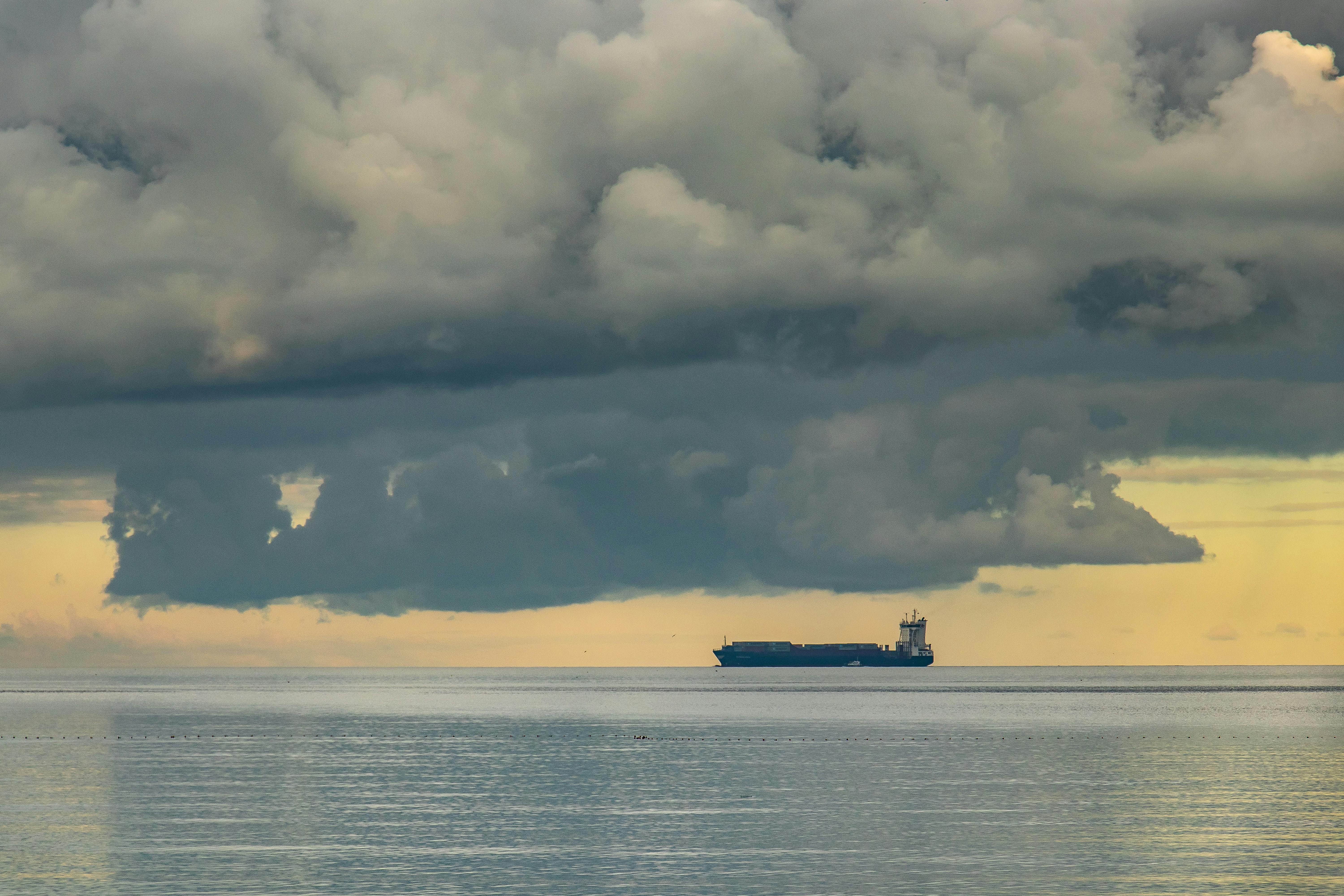
An Iranian merchant ship was struck by an unidentified projectile before dawn Sunday while transiting the Strait of Hormuz near Hengam and Qeshm islands, killing one crew member and wounding three others, Iranian state media reported. The UK Maritime Trade Operations agency confirmed it had received reports of a vessel hit by an unknown object while passing through the strategic waterway around 5 a.m. local time.
The timing could not have been more explosive. According to multiple reports, the strike landed the same morning foreign ministers were gathered in Salalah, Oman, to sign a new agreement aimed at guaranteeing safe passage through Hormuz — the chokepoint through which roughly a fifth of the world's oil supply flows. Eastern Herald reported the vessel was hit at the exact hour the Salalah deal was being finalized.
A Familiar, Dangerous Pattern
This is not the first time a strike inside Hormuz has landed at the worst possible political moment. Reporting from the Times of Israel's live coverage notes that a faction of Iranian hardliners is believed to have launched an earlier round of ship strikes in the strait back in July — without the knowledge of Iran's own leadership or even the head of the Islamic Revolutionary Guard Corps — and that those attacks single-handedly wrecked a Memorandum of Understanding Tehran and Washington had been close to signing. President Masoud Pezeshkian was reportedly blindsided by that episode, phoning IRGC chief Gen. Ahmad Vahidi only to be told he had neither ordered nor known about the strikes in advance.
SUNDAY'S STRIKE LANDED WITHIN HOURS OF A DEAL MEANT TO PREVENT EXACTLY THIS KIND OF INCIDENT
Whether Sunday's strike traces back to the same hardline faction is not yet confirmed, but the parallel has not been lost on regional observers already bracing for the new Salalah agreement to unravel the same way. US News' rolling coverage of the region notes the strike lands amid a broader flare-up, including reported Saudi strikes on Houthi positions in Yemen's Saada province and continued artillery exchanges near the Yemeni border.
President Trump, speaking to reporters during a visit to Ireland, said he does not "care" whether Iran meets separately with Gulf states over Hormuz security, adding he still expects the broader Iran war to wind down this year — "possibly just after" November's US midterm elections. Iran's government has not yet publicly assigned blame for Sunday's strike.
No group has claimed responsibility. Salvage and investigation crews were reported en route to the strait Sunday morning, and it remains unclear whether the Salalah agreement's signatories will treat the incident as a rupture of the new deal or an attempt by spoilers to derail it before the ink dries. The Observer will continue following developments as they emerge.